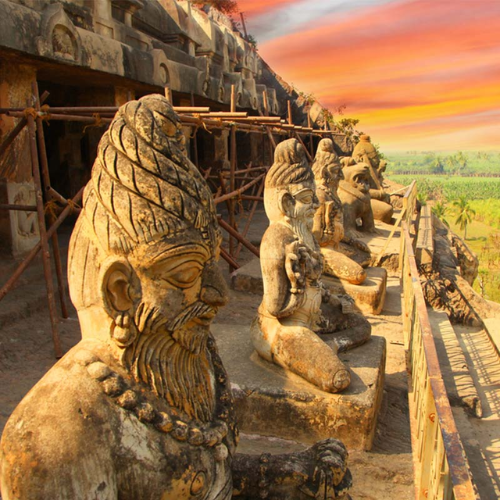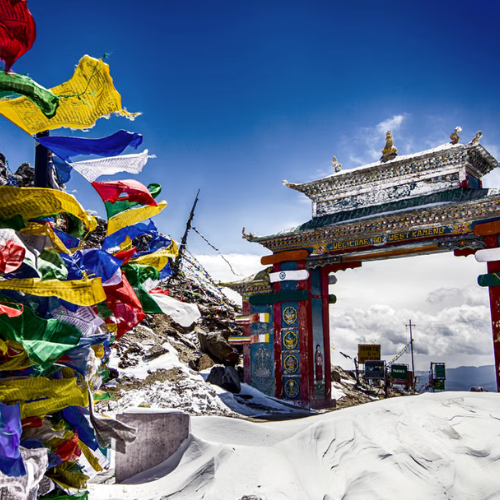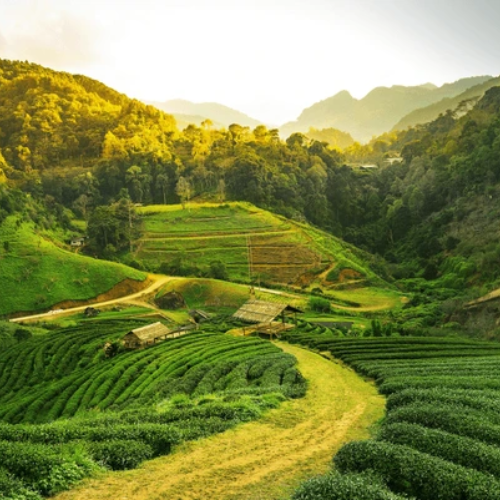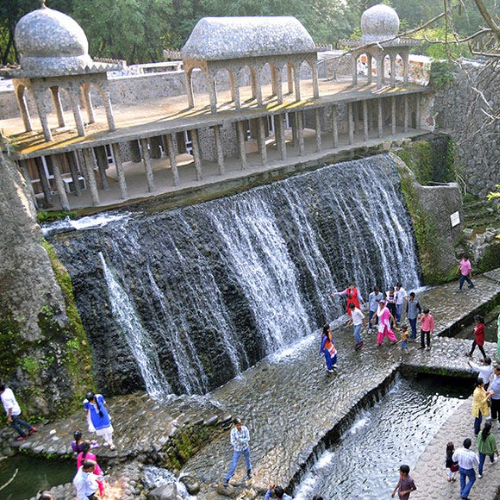


Bihar, a state in eastern India, is steeped in history, spirituality, and culture. As the birthplace of Buddhism and Jainism and a significant centre of ancient learning, Bihar offers a rich tapestry of historical landmarks and sacred sites. From the iconic Mahabodhi Temple to the ruins of Nalanda University, Bihar invites travellers to explore its profound heritage, vibrant traditions, and natural beauty.
Categories
- Historical and Archaeological Sites: Ruins of ancient empires and universities
- Spiritual and Pilgrimage Sites: Temples, stupas, and monasteries
- Nature and Wildlife: National parks, rivers, and wetlands
- Cultural Highlights: Folk art, music, and festivals
- Adventure Activities: Trekking and river cruises
Cultural Highlights
- Festivals:
- Chhath Puja: A unique festival dedicated to the Sun God, celebrated with great devotion.
- Sonepur Cattle Fair: Asia’s largest cattle fair, held annually in Sonepur.
- Pitrapaksha Mela: A significant religious event in Gaya for offering ancestral prayers.
- Folk Arts and Crafts:
- Madhubani Painting: A world-renowned traditional art form from Mithila.
- Sikki Craft: Handicrafts made from golden grass.
- Bihar's Folk Music: Bhojpuri, Maithili, and Magahi songs celebrating life and spirituality.
Languages: Hindi, Bhojpuri, Maithili, and Magahi are widely spoken
Cuisine
- Litti-Chokha: Roasted wheat balls served with spiced mashed vegetables.
- Sattu Paratha: A wholesome stuffed flatbread made with roasted gram flour.
- Khaja: A crispy, layered sweet delicacy from the town of Silao.
- Thekua: A traditional sweet snack, often made during Chhath Puja.
- Peda: A sweet dish from Gaya, known for its distinct flavor.
- Makuni Roti: A spiced flatbread made with mustard and garlic paste.
- Fish Curry: A popular dish among the communities near rivers.
Best Time to Visit
- Winter (October to March): The most pleasant time for sightseeing and festivals.
- Monsoon (July to September): Lush greenery but occasional travel disruptions due to rain.
- Summer (April to June): Best for specific festivals but can be hot and humid.
Activities and Top Attractions
1. Spiritual and Pilgrimage Sites
- Mahabodhi Temple (UNESCO Site): The site where Lord Buddha attained enlightenment, located in Bodh Gaya.
- Vishnupad Temple, Gaya: A sacred Hindu temple with a footprint of Lord Vishnu.
- Pawapuri: A Jain pilgrimage site where Lord Mahavira attained Nirvana.
- Nalanda University (UNESCO Site): Ruins of one of the world’s first residential universities.
- Rajgir: Known for its hot springs, Venuvana, and ancient spiritual significance.
2. Historical Landmarks
- Barabar Caves: Ancient rock-cut caves dating back to the Mauryan era.
- Vaishali: The birthplace of Lord Mahavira and an important Buddhist site.
- Patna Sahib: A gurudwara commemorating Guru Gobind Singh’s birthplace.
- Golghar, Patna: A granary built during the British era with panoramic views.
3. Nature and Wildlife
- Valmiki National Park: A tiger reserve with lush forests and diverse wildlife.
- Kanwar Lake: Asia’s largest freshwater oxbow lake, a haven for migratory birds.
- Kaimur Hills: Known for waterfalls, caves, and scenic trekking routes.
4. Cultural and Historical Centers
- Patna Museum: A treasure trove of ancient artifacts and sculptures.
- Bihar Museum: A modern museum showcasing the state’s history and heritage.
- Madhubani Region: The heartland of Madhubani painting.
Hidden Gems
- Maner Sharif: A historical site with ancient mausoleums near Patna.
- Kesaria Stupa: One of the tallest Buddhist stupas in the world.
- Bhagalpur: Known for its silk industry and the Vikramshila University ruins.
- Rohtasgarh Fort: A historical fort with stunning views and rich history.
- Chandrahia: A peaceful site associated with Lord Buddha's first discourse.
Adventure and Activities
- Trekking: Trails in the Kaimur Hills and Rajgir.
- Birdwatching: At Kanwar Lake and Valmiki National Park.
- River Cruises: Along the Ganges in Patna.
- Hot Spring Bathing: At Rajgir’s ancient springs.
Eco-Tourism
Bihar offers eco-tourism opportunities through its wildlife sanctuaries, wetlands, and rural tourism initiatives. Places like Valmiki National Park and Kanwar Lake highlight the state’s commitment to preserving its natural heritage.